ASTRAL GAS PROJECTS LIMITED
Astral Gas Projects Limited
Astral Gas Projects Limited is an indigenous gas processing, extraction and field development company incorporated in Nigeria in 2026 under RC 9673996. The Company was established to address a specific gap in the domestic energy market: the volume of associated and non-associated gas that was routinely flared or left stranded because it sat too far from a pipeline, was too lean to interest a major operator, or belonged to a marginal field too small to justify large-scale capital investment.
Astral operates across the full midstream value chain, from wellhead gas gathering and extraction through processing, natural gas liquids recovery, and delivery to domestic power, industrial and export off-takers. The Company holds interests in three processing hubs and two marginal field development assets in the Niger Delta, and maintains a technical liaison office supporting cross-border gas monetisation studies in the wider Gulf of Guinea.
As at the 2026 reporting year, Astral employs approximately 460 personnel, of whom over 92 percent are Nigerian nationals. The Company is privately held, with a shareholder base comprising its founding management team, a domestic private equity vehicle, and a strategic infrastructure fund.
Vision
To be the most trusted independent gas processing and field development company in West Africa, recognised for converting stranded and flared gas into dependable energy and industrial feed-stock.
Mission
Astral exists to gather, process and deliver natural gas safely and efficiently, unlocking value from marginal and underdeveloped fields, reducing routine gas flaring, and supplying reliable feed-stock to domestic power generation and industry, while generating sustainable returns for our shareholders and host communities.
Core Values
Astral's growth has followed a deliberate path: prove capability on a single marginal field, reinvest into processing infrastructure, and only then pursue expansion. The timeline below summarises the principal milestones since incorporation.
Astral Energy Group Limited operates as the holding entity for six functional subsidiaries in the energy corridor, each managed as a distinct cost and performance centre but integrated under a single technical and HSE governance framework.
Astral designs and operates modular gathering systems that connect marginal wellheads to central processing points, an approach chosen specifically because it allows gas volumes too small or too remote to interest larger operators to be brought to market economically.
Midstream Capabilities & Operations
Gas Processing and NGL Recovery
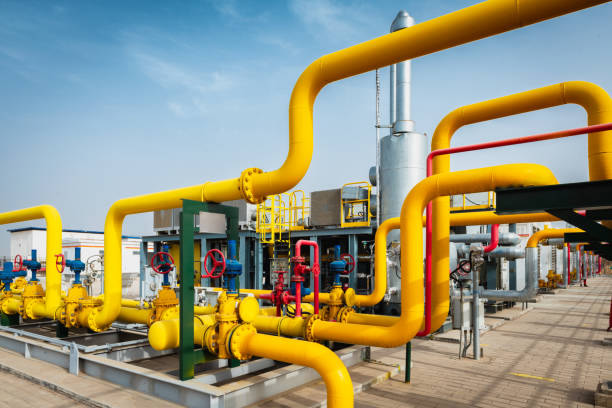
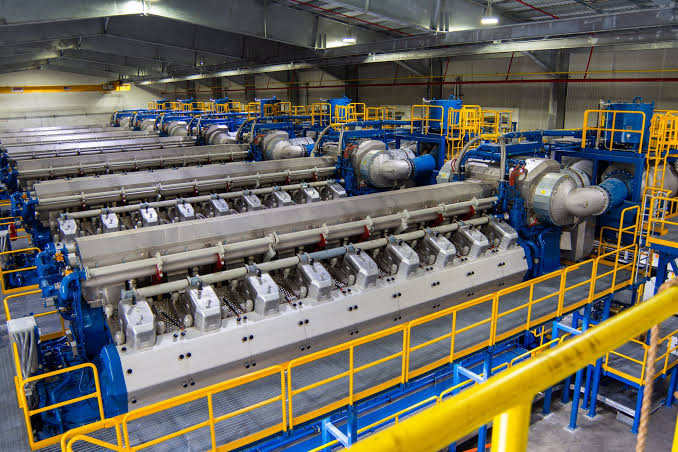
Raw wellhead gas is processed to pipeline-quality sales gas, with propane, butane and natural gasoline recovered as saleable natural gas liquids. Processing trains are built on a modular skid basis, which shortens construction schedules and allows capacity to be added in phases as field volumes grow.
Gas Development and Monetization
Astral structures long-term gas sales agreements with domestic power generation companies and industrial off-takers, converting processed gas into predictable revenue while supporting Nigeria's domestic gas utilization objectives.
Midstream Logistics and NGL Distribution
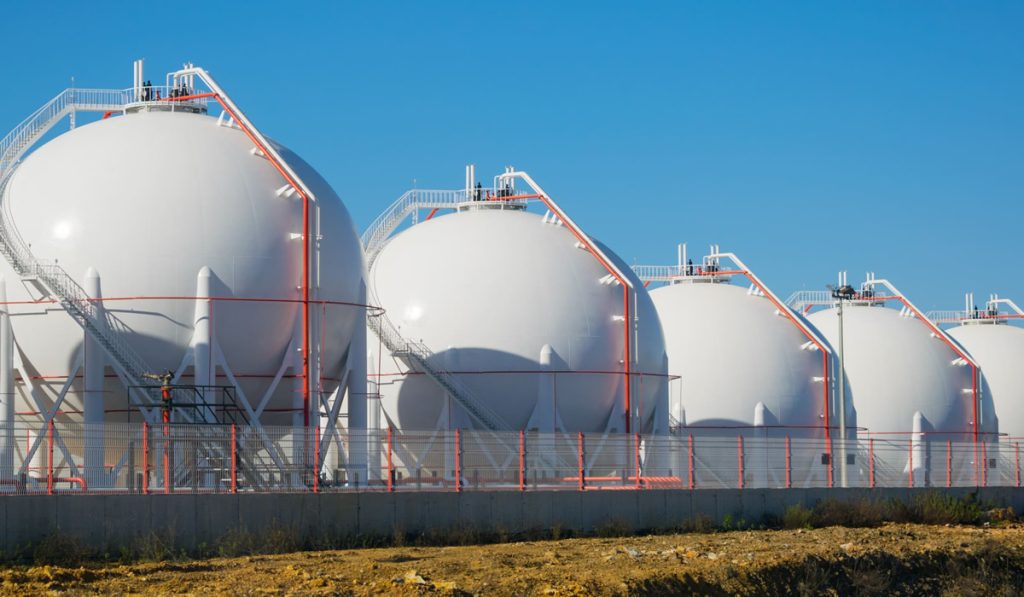
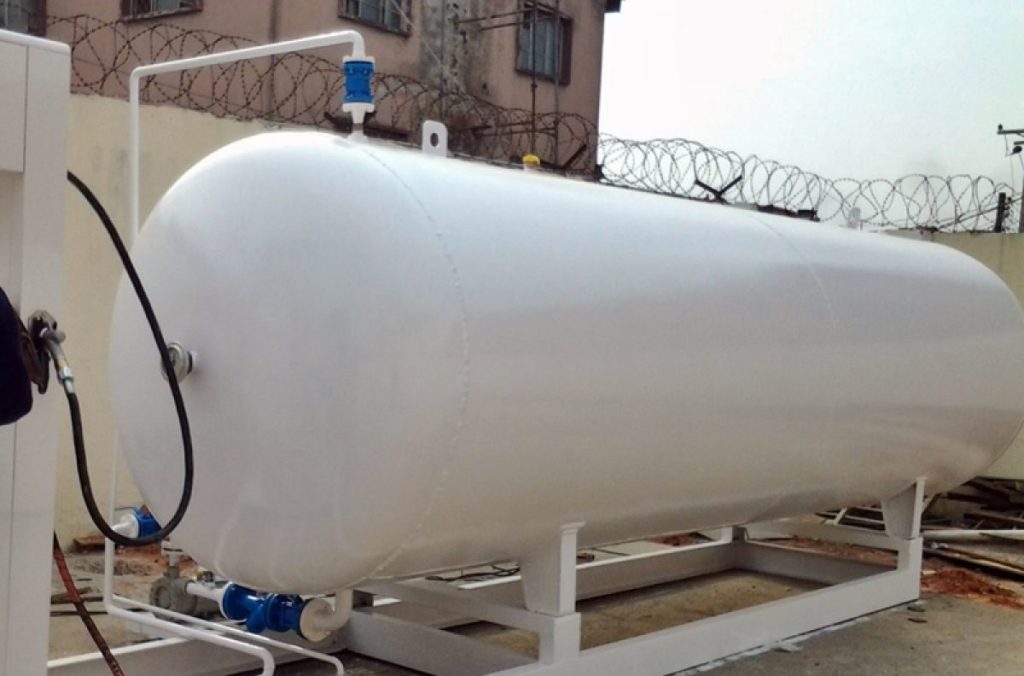
Bulk NGL storage, LPG bottling and road haulage extend the Company's reach from the processing gate to commercial and household consumers, supporting Nigeria's LPG penetration objectives in underserved regions.
Combined average processing throughput across the three operating hubs was approximately 158 MMscf per day in the 2026 reporting period, against a combined design capacity of 158 MMscf per day, reflecting near-full utilisation and supporting the case for the Company's next capacity expansion.
HSE Performance Commitments & Compliance
HSE Commitments
- Target of zero Lost Time Injuries across all operating hubs, tracked and reported monthly.
- Mandatory permit-to-work and process safety management protocols on all processing facilities.
- Independent HSE audits conducted at least annually, with findings tracked to closure.
- Emergency response and mutual aid arrangements maintained with host communities and neighboring operators.
Environmental
- Routine gas flaring displaced through gathering and processing, in line with national flare-out objectives.
- Methane leak detection and repair programme across gathering lines and processing facilities.
- Produced water treatment to discharge standards set by regulatory authorities.
Social
- Local content targets for employment and contracting in all host communities.
- Community development agreements negotiated directly with host communities ahead of project sanction.
- Scholarship and technical apprenticeship programmes for host community youth.
Governance
- Board-level HSE and Sustainability Committee with independent director oversight.
- Whistleblowing channel independently administered, open to staff, contractors and community members.
- Annual sustainability disclosure aligned to emerging Nigerian and international reporting expectations.
Corporate Social Responsibility
Astral's community investment strategy is built around the principle that a processing facility is a long-term neighbour, not a temporary visitor. Programmes are co-designed with host community leadership structures rather than imposed from the head office.
Industry Overview: Natural Gas & LNG Utilization
Efforts should be geared towards LNG utilization as it is the most successful venture among the natural gas utilization options in Nigeria. Countries like Trinidad and Tobago, Qatar, and Canada etc have had all-out benefits (like employment, improved GDP, foreign earnings etc.) from the global LNG market; Nigeria should also partake in the benefits that comes with the LNG market to its full capacity if Nigeria invests in this sector as it should.
The construction of another LNG facility would enable Nigeria expand the LNG sector and boost LNG export. This business plan recommends the construction of an LNG infrastructure in Rivers state in addition to the existing NLNG plant. This facility would comprise of an LNG processing facility containing two (2) LNG processing trains that produces 2 million MTPA (300MMSCFD) of LNG, condensate and LPG, and storage tank(s), a 250MW combined-cycle power plant and a product load-out jetty. Quality gas from existing pipelines from various gas gathering projects that already exists in Okrika, Andoni and Carthon Channel axis in Rivers State, will supply gas to the proposed LNG facility, as phase 1.
Historical Background and Utilizing Natural Gas Reserves
Petrochemicals play a vital role in the economy of any nation. The products of the industry are the building blocks in many industries as they deepen the forward and backward linkages of the petroleum sector with the rest of the economy. The industry uses a variety of hydrocarbon feedstock such as different cuts of naphtha from refinery and natural gas. One of the problems facing the industry is lack of reliable feedstock supplies.
Nigeria has the potential to be a major petrochemicals producer. With proven gas reserves currently estimated at 187 tcf, not much has been accomplished with respect to the effective exploitation and utilization of this resource as most of the nation’s natural gas production has been flared, liquefied for export or re-injected to enhance greater crude oil recovery. It has become imperative to further find ways to exploit and utilize the nation’s natural gas reserves and translate it to the improvement of the nation’s economy.
Steam reforming of natural gas is one of the avenues for conversion of natural gas to petrochemicals. Syngas (synthesis gas) is a versatile feedstock for most petrochemicals and chemical intermediates. Thus utilizing natural gas in this way would strengthen the petrochemical industry making it possible for the country to change from raw materials to value added products supplier, boost the economy and solve the “hydra-headed” problem of unemployment in Nigeria with its multiplier employment effect.
Astral Gas Hub Concept
AGPL GMP is built as a terminal-based development model that cluster gas assets, natural gas processing, to fertilizer and power based on specific criteria. The terminal/hub will drive most of Astral Energy Group gas supply utilization and growth in the near to medium term. This approach coordinates development across multiple fields, reduces duplication of infrastructure, lowers unit development costs, and optimises the overall system.
Nigeria's gas resource base is large and geographically concentrated. There are 7 high-readiness Hubs primed for CPF expansion, most notably are Gbaran-Soku-Obagi-OBOB Hub with a CPF capacity of 5.2bcf/d and a planned expansion of 1.1 bcf/d; Utorogu-Ughelli-Okpokonou-Iseni-Brass Hub with CPF capacity of 600 mmscf/d and a planned expansion of 1.2 bcf/d which includes the ongoing NAG-3 and Assa North Hub with a capacity of 550mmscf/d and planned expansion of 600mmscf/d.
Altogether, the 7 Hubs account for about 60% of quoted 2P Gas reserves. Of the 23 identified hubs, 6 require new CPFs, led by the Anyala-Funiwa-Ofrima-Madu with a proposed capacity of 500mmscf/d and the Zabazaba-Agbami-Nwa Doro with a proposed capacity of 600mmscf/d.
Vision 2030-2040: Pan-African Industrial Powerhouse
The chairman Astral Energy Group Zeal Chims has unveiled the Astral Group vision for 2030-2040, an ambitious plan to build a $150 billion USD African conglomerate, reinforcing the groups confidence in the growth trajectory of key markets. The Astral vision 2030-2040 is an ambitious roadmap to transform the conglomerate into a 200 billion USD pan-African industrial powerhouse. This strategy focuses on increasing industrial capacity, enhance self reliance and fostering sustainable growth across the continent.
KEY PILLARS OF THE VISION
A $200 billion empire by 2040 through investment and strategic expansion in production and manufacturing.
- Establishment of key sectors: Driving regional expansion across critical industries.
- Gas project: Establishment of a 300 Million MSCF LNG gas plant and to scale up to 10 million MSCF.
- Refining: Increasing capacity from 250 barrel/day to 800 barrel/day.
- Bulk Terminal: Establishment and expansion of the first African LPG bulk terminal.
- Fertilizer production: Scaling up production from 3 million tons to 10 million tons / annum.
- Strategic partnership: Ownership of potential 40,000 model of shares to encourage growth.
- Petrochemicals: Establishment of petrochemical plant and future expansions.
- Shipyard: The establishment of a hybrid shipyard.
All these projects are captured in the phase 1, 2, 3 and 4 of the Astral Energy Industrial Integrated Project, managed and supported by 7 subsidiary companies of the Astral Group. The vision emphasizes that African future will be built by Africans with a focus on overcoming infrastructure and industrial capacity challenges.